
From Fear to Love
Our world is quite complicated at the moment. One second we may be enjoying a feel-good Christmas movie, noticing an advertisement for the best gifts, and making plans for community events. The next we’re confronted by an unending stream of stories about fraud, abuse, crime, institutional in-fighting, and rumblings of a country about to explode in conflict. For all the good, it seems like there is a lot of “not love” going on in our country and in our world. This isn’t new, but it certainly seems pretty pronounced and sharp at the moment.
For years I thought of hate as the opposite of love, but I’ve learned over time that hate is actually the opposite of like not love. The opposite of love is more akin to apathy and indifference. It’s a sort of hiding or withdrawing. When I started to recall various moments when I felt unloved, it was often related to moments where I didn’t feel seen or cared about.
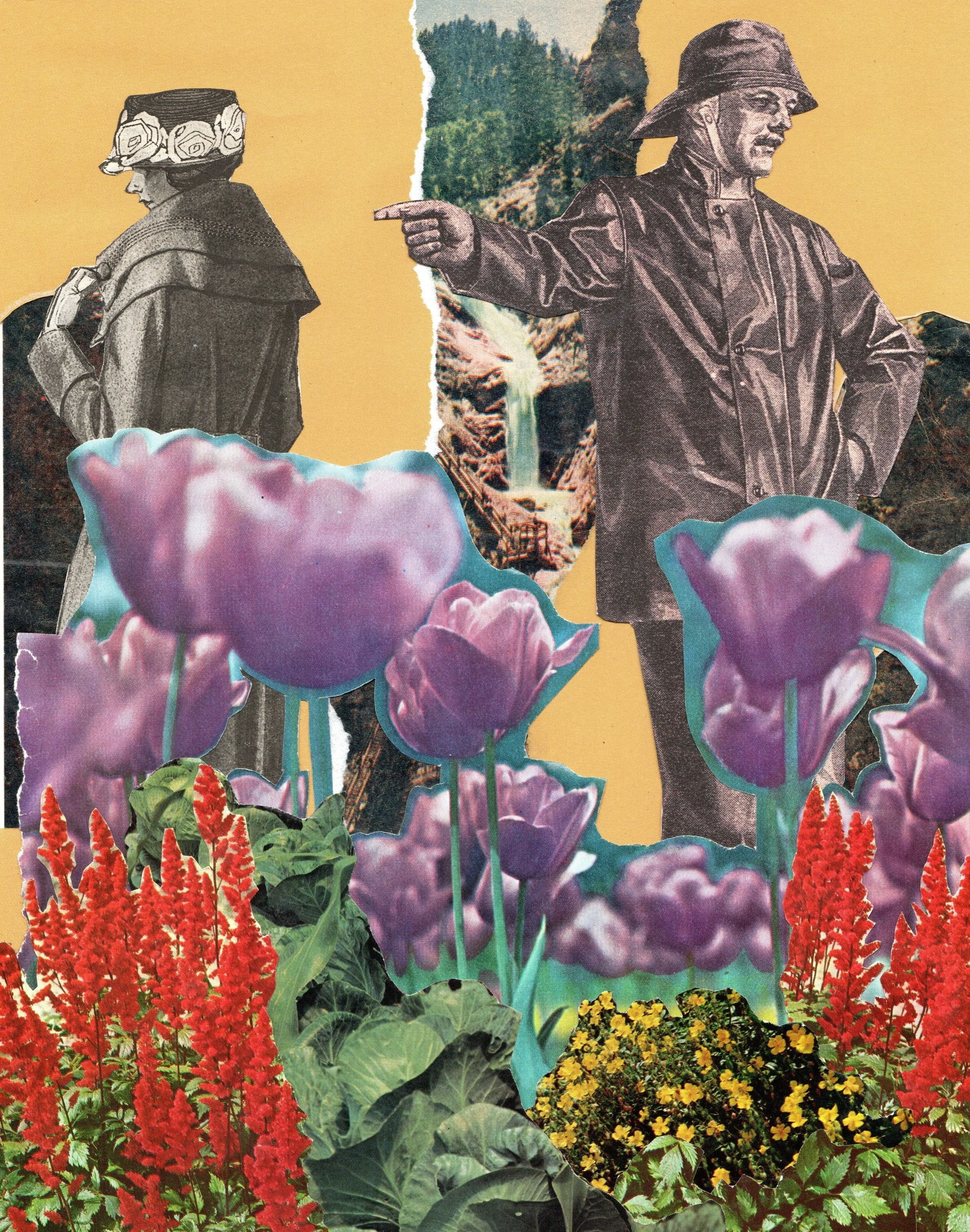
What is one of the most common catalysts for hiding behind indifference or oppression? Fear. When we feel fear, we have a primal instinct to hide, to protect ourselves, or to fight back. When we are afraid, we shift responsibility to others, we mask ourselves, we bully, and we withdraw from all the things that love asks of us: vulnerability, empathy, and sacrifice. Fear rips us apart and uproots the love that God installed as the foundational operating system of His world. A world where peace, joy, and hope flourish in His image-bearers and partners.
Here’s the thing, we don’t want to fear. It sort of just happens. Fear is our natural response to things that feel big, overwhelming, and unknown to us. We freak out with fear and subsequently hide. Maybe this is why one of the most repeated things God has said through Scripture is “don’t be afraid” or “fear not.
Fear first appeared at the very beginning when we chose mistrust and lies over trust. Eve didn’t trust God’s narrative and decided to try to write her own story. After disobeying God’s instructions, Adam and Eve responded to God’s presence by hiding. Adam told God, “I was afraid… so I hid” (Genesis 3:10).
While we might not be climbing under bushes, fear causes us to hide from God and from each other. This takes many forms:
Losing ourselves in endless social media feeds.
Answering well-meaning questions with “I’m fine.”
Playing games and scrolling instead of engaging with people around you.
Detailing our brand new car while ignoring debt collection notices.
Ignoring texts from well-meaning friends and family.
Deflecting difficult conversations with witty humor.
Numbing out to the latest Netflix binge, food craving, or addictive substance.
Things like these can illuminate that we’re hiding because we’re afraid of something.
Fear grows into a poisonous landscape of distrust and isolation that makes it pretty easy to understand why we are seeing a lot of “not love” being harvested.
So what does love look like?
In His life and ministry, Jesus modeled what genuine love ought to look like. Jesus is the perfect embodiment of love and He is completely devoid of fear. We can learn a lot by looking at how He lived during His years of ministry.
–He wasn’t in a hurry. God has long been orchestrating His plan for redemption. Jesus came at the right time and in the right way. Practically, this meant that He lived an unhurried life, knowing that the details were already arranged. He was patient and full of mercy. Because of God’s redemptive plan and love for us, Jesus waited for the right time.
–He was unconcerned with status. Have you noticed who God calls to be His partners? The most unlikely bunch. The Christmas story is no different. The announcement of love incarnate was first communicated to stinky shepherds, pagan astrologists, and two Jewish people dealing with Roman oppression and poverty. Jesus modeled this mentality when His ministry focused on fishermen, tax collectors, and sinners. God doesn’t care about your status, He cares about your heart.
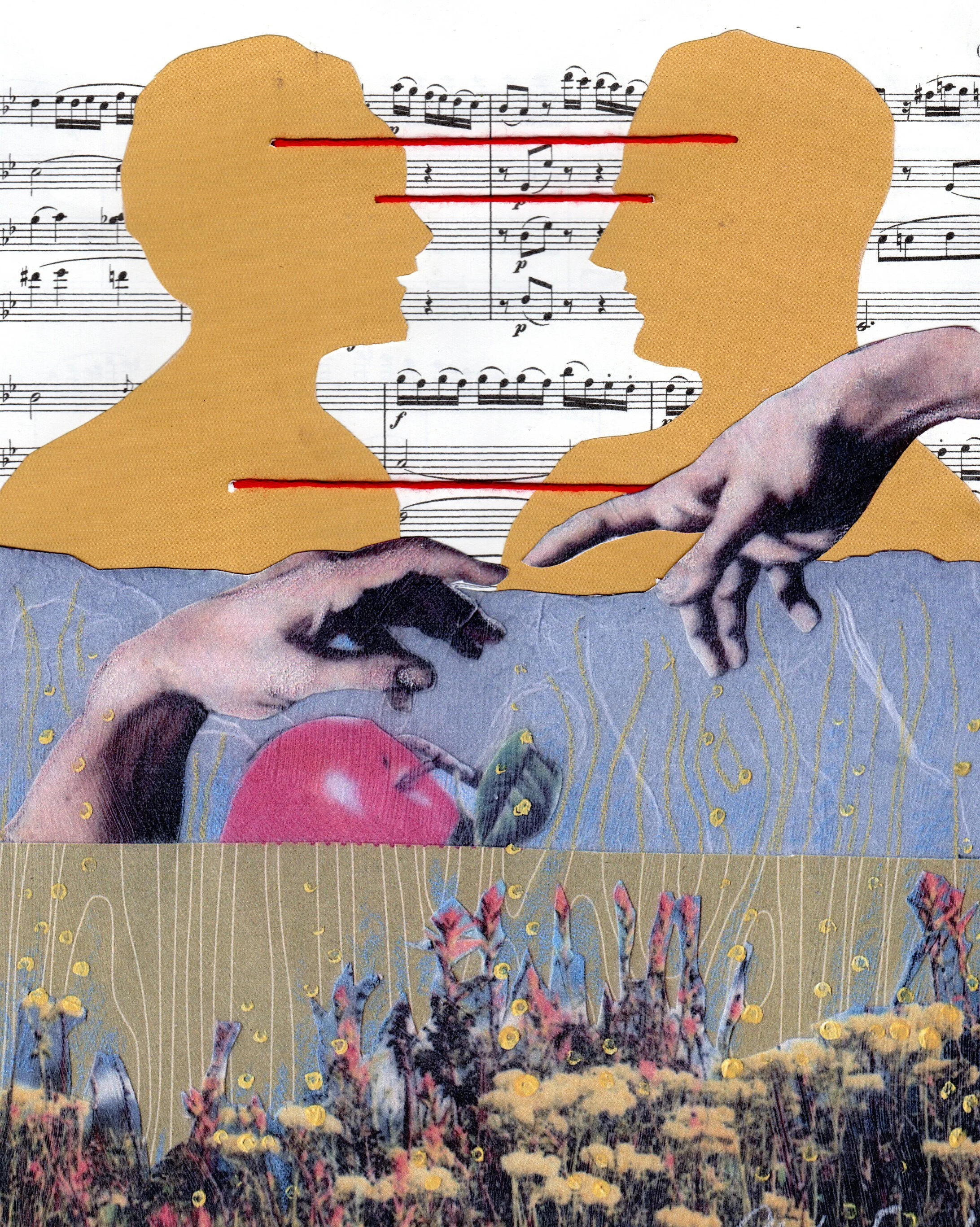
–He wasn’t prideful. Humility is knowing two things: you are an image bearer of God and so is everyone else. Jesus knew His worthiness and He knew the worthiness of everyone He came to rescue. Love doesn’t boast about your own greatness, but it also doesn’t diminish yourself to nothing.
–He sacrificed Himself for the sake of others. The greatest demonstration of love in history was when Jesus—God incarnate—laid down His life for the sake of sinners. Philippians 2 highlights how Jesus humbled Himself to the point of death on the cross so that He might save us. Love looks out for others sacrificially, breaking down barriers to bring connection and belonging.
Jesus showed us what it meant to be loving. So, when we are faced with fear, how do we stop hiding and step forward in love?
Discover where you are hiding. When you notice yourself withdrawing (see above list of behaviors), talk to God, a friend, or journal about what you might be hiding from. Are you angry? Are you sad? If you are not sure where to start, prayerfully ask the Holy Spirit to open your eyes to the blind spots in your life.
Open up about your hiding with a trusted brother or sister. Love in action looks like stepping from darkness to light in the safety of family. Fear loses its power when we share our struggles with each other. When fear is no longer hidden, the community of people around you can help you realize you don’t have to handle things on your own.
Cultivate humility. Rather than wallowing in your shame or beating yourself up after you’ve come out of hiding, remember what humility truly is. Humility is recognizing that you are (1) priceless to God and (2) so is everyone else. You belong to Him. Embrace that truth fully.
Practice showing up in love, not fear. Once you’ve stepped out of hiding, you can help others come into the safety and truth of the light. This will mean choosing to engage with people rather than ignore them. It will mean asking questions and listening rather than trying to quickly fix things or sharing empty platitudes that leave others feeling unseen. It will mean sitting alongside someone as they wrestle with their own fear. Be patient and kind with others, modeling the patience and kindness that Jesus has demonstrated to you.
As you continue in these practices, you will notice that new layers of hiding bubble to the surface. Don’t be surprised when this happens, but continue to open yourself up to Jesus. Whenever this hiding emerges, you can continue to trust Jesus. He loves you. He cares for you. And He wants to see your story unfurl and blossom, just like He has planned for you from the beginning.