
From Consumerism to Joy
It was barely September when Tim flopped the pile of mail on the kitchen island. What met my eyes was shocking: a wish book from Amazon. Did I mention it was barely September? The boys took turns circling beautifully curated images of games, toys, devices, and other items that promised to meet their longing for joy.
And just like that, the annual chase began—the wish lists, the deals, the decorating—all with the hope that maybe this year the right stuff will finally fill that deep longing for joy.
But it never works, does it?

After all the things are passed out, revealed, and then stowed away in their new homes, we are often left feeling empty and desperately hollow. Sometimes we think that if we don’t do all that and choose instead to make Christmas super simple—either not exchanging gifts or limiting to just a few—that we will be saved from that hollow feeling at the end of the season.
But again, it doesn’t work.
Whether we are looking for joy in the lack of things or the abundance of things, we will not find it there.
If not there, then where is it? Where is joy hiding?
Maybe the problem is that we’ve misunderstood what joy even is. C.S. Lewis wrestled with this too. In his autobiography Surprised by Joy, he wrote:
Lewis speaks of “an unsatisfied desire which is itself more desirable than any other satisfaction.” To this feeling, he gave a name.
I call it Joy, which is here a technical term and must be sharply distinguished both from Happiness and from Pleasure. Joy (in my sense) has indeed one characteristic, and one only, in common with them; the fact that anyone who has experienced it will want it again. Apart from that, and considered only in its quality, it might almost equally well be called a particular kind of unhappiness or grief. But then it is a kind we want. I doubt whether anyone who has tasted it would ever, if both were in his power, exchange it for all the pleasures in the world. But then Joy is never in our power and pleasure often is.”
(Surprised by Joy: The Shape of My Early Life, 19.)
Joy, for Lewis, wasn’t a feeling you could buy or schedule. It was a longing that pointed toward something (or Someone) beyond this world.
Joy is a complex thing that tends to elude us when we are searching for it. No matter how hard we try, it seems like we only end up with lesser varieties.
In my experience, I’ve noticed that true joy is tied to relationships. This helps make sense of the complex and paradoxical nature of joy as described by Lewis. Joy bubbles up in moments of deep connection, reminding us of how good life is and how good God is. The surprise of these moments is that joy is often found in the deepest, most painful circumstances. We find joy side by side with celebrations of life, painful conversations with loved ones, or even moments of rejection because of your commitment to God’s ways. These moments are sad and painful, yet they also deeply resonate with our hearts, confirming what we know to be true.
Instead of being bound to our environment and circumstances, deep and lasting joy is tethered to our relationships. If joy is found in relationships, how do we cultivate it? Joy is cultivated the same way any relationship grows—through attention, honesty, and shared life. There are three ways I’ve been learning to do that in my life lately.
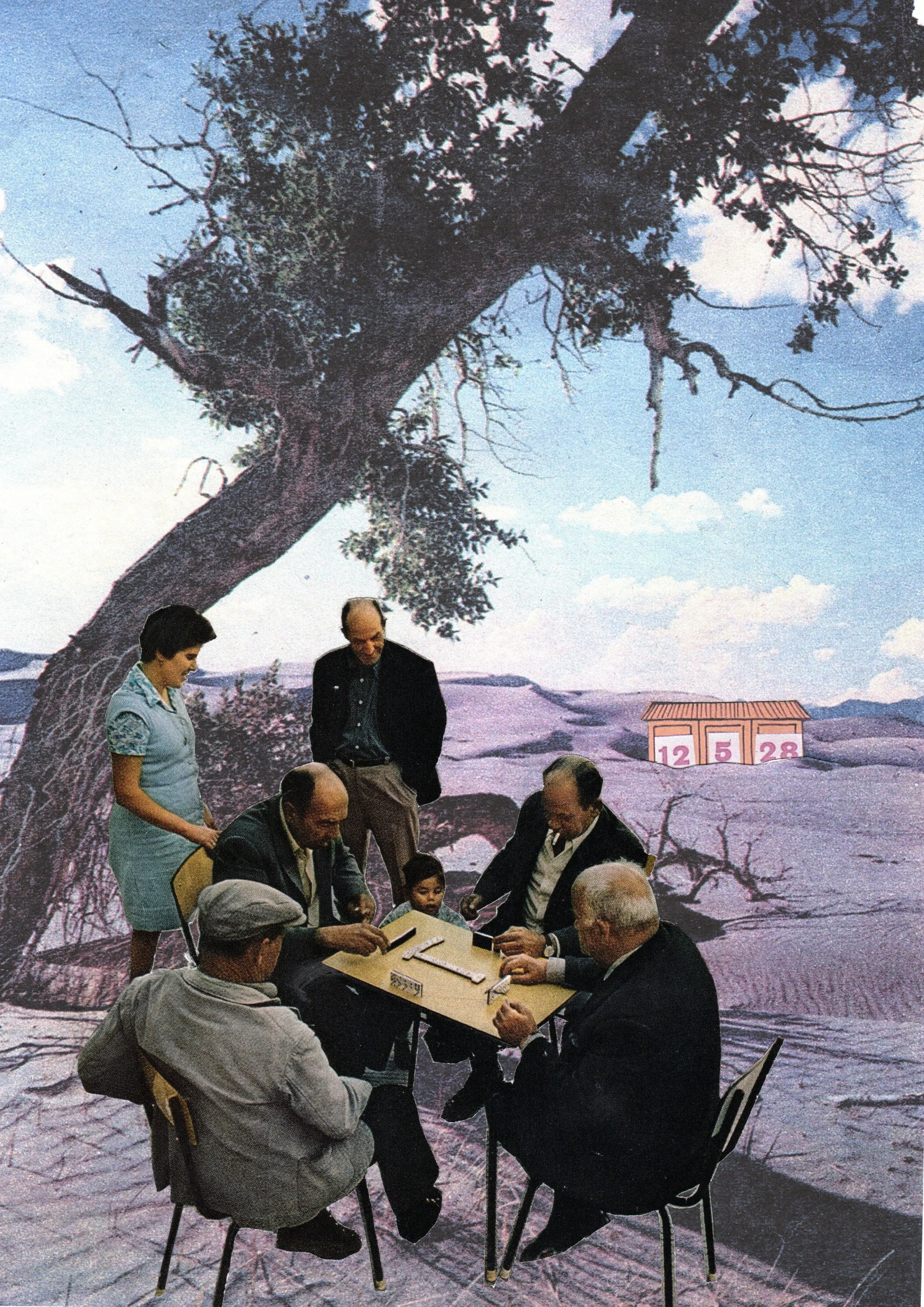
Study. The more I learn about God—Father, Son, and Holy Spirit—the more I begin to understand His character, His delights, and His mission, helping me see Him in my day-to-day experience. Study looks different for everyone. Personally, I love listening to podcasts, studying in groups, reading books, and watching engaging videos. There is no one way to “study” who God is and what His word says. Lately, I’ve loved digging into the Old Testament, Jewish culture, and rabbinical commentaries to get a better picture of how Jesus used Scripture to teach during his ministry. Maybe study hasn’t left you feeling very connected to God. Maybe it has caused more and more questions to bubble up and cause you to feel distant. My encouragement to you is to keep at it. Wrestle just like Jacob and don’t quit until God blesses you with the joy of knowing Him on a new level. God loves some chutzpah.
Prayer: Communal and Individual. Study is wonderful, but it can become disconnected from the source when you are not talking to God about what you are learning and asking Him to help you put that knowledge into practice. Talking with God through prayer is just like study. There isn’t just one way to do it. The Gospels tell us that Jesus made a frequent practice of prayer, likely using the words of the Psalms in those prayers. Jesus modeled a life of prayer and, famously, he showed a model of prayer in what we call the Lord’s Prayer.
Prayer can be written, sung, visually created, spoken out loud, thought, and it can be individual or done in community. The most important part? Be honest and share what is on your heart. Let the Holy Spirit guide you through the rest.
Hospitality and Generosity. This is where your knowledge and connection with Jesus starts to be lived out and overflows to those around you. Hospitality and generosity are the knowledge of Jesus in action and that is the secret sauce of growing joy. This can look like stopping to talk with a neighbor on the way to the mailbox. It can look like helping to shovel a sidewalk without being asked. It can look like making eye contact with a grocery clerk instead of scrolling your phone. Joy is found in presence and connection. This can be done anywhere and everywhere.